


The Codex Trust Fund supports countries to build strong, solid and sustainable national capacity to participate effectively in Codex standard setting.
Between 2004 and 2015, the FAO/WHO Project and Fund for Enhanced Participation in Codex (Codex Trust Fund, CTF) supported countries to boost their participation in the Codex Alimentarius Commission.
Building on the success of the first Codex Trust Fund, FAO and WHO then launched a successor initiative to the Codex Trust Fund (CTF2) in January 2016, which aimed at improved effectiveness of participation in Codex standard setting.
CTF2 initiated a total of 43 projects involving 62 countries, which saw improved in-country capacities and policy-level awareness of Codex and Codex processes. This awareness translated into greater participation by low- and middle-income countries in the work of Codex committees, including in the development of work proposals, in developing and presenting national positions on standards development, and in submitting the data that is crucial to the development of standards that will work for all.
This also benefitted the wider Codex community, global trade and food safety standards for businesses and consumers around the world.
The Codex Trust Fund was fully reliant on donor funding.
The Codex Trust Fund repository
The CTF repository provides access to relevant resource material and products that have been officially shared by CTF2 beneficiary countries to serve as examples and inspiration to countries aiming to develop similar products to strengthen components of their national Codex system.
Documents included in the repository have been officially cleared by the respective governments to be shared on the Codex Trust Fund website. The repository organizes available products according to their relevance to the three core elements of national Codex systems.
Codex Trust Fund
.tmb-tmbmd-rec.jpeg?Culture=en&sfvrsn=ecd2f032_2)
.tmb-tmbmd-rec.jpeg?Culture=en&sfvrsn=18e33d46_2)


Stories
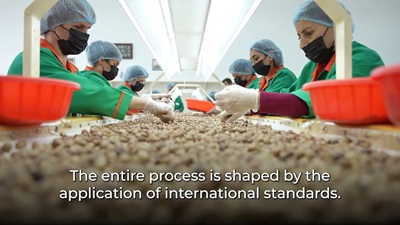
Codex Trust Fund, country story: Maldives
Codex Trust Fund, country story: Burkina Faso
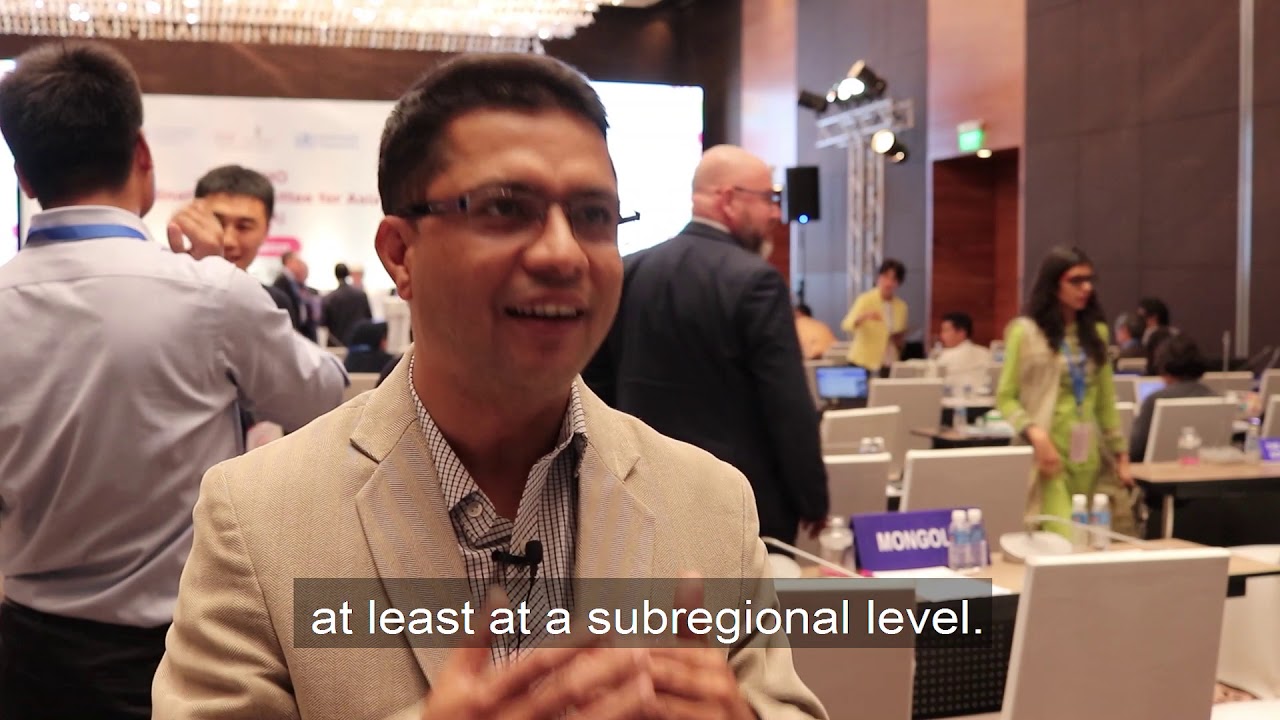
Codex Trust Fund country story: Bhutan, India & Nepal
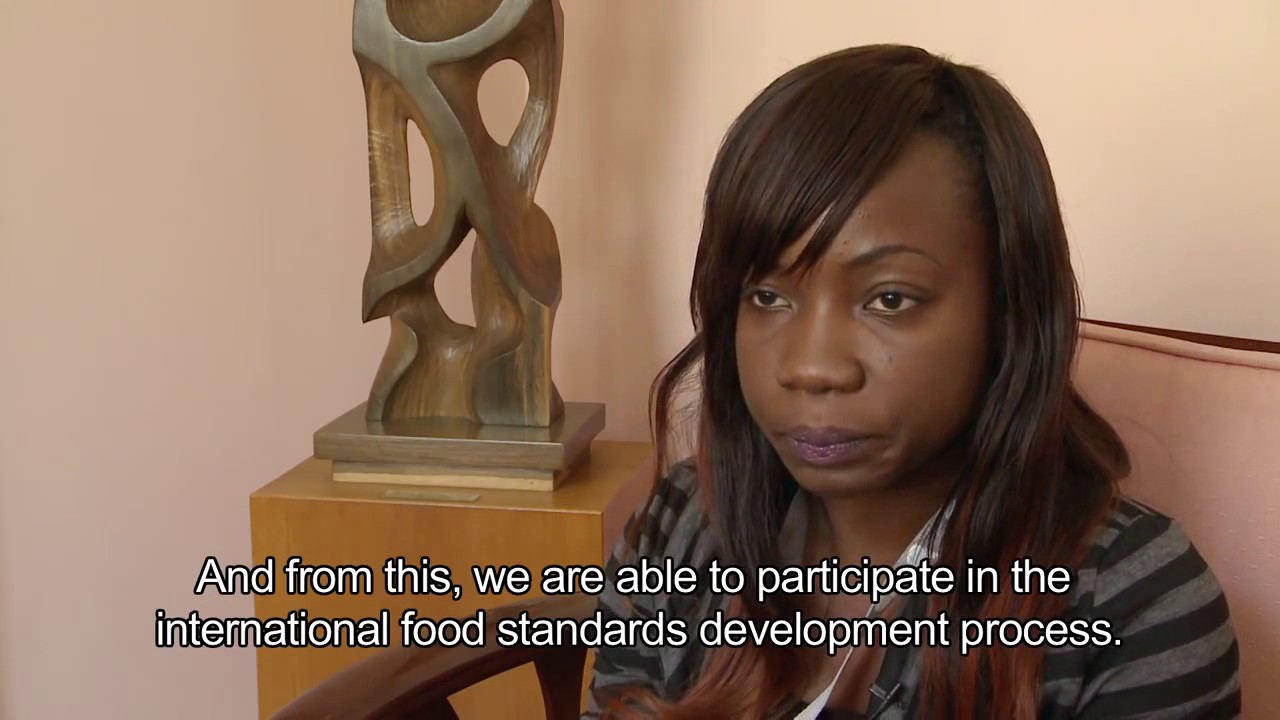
Codex Trust Fund, country story: Ghana
Codex Trust Fund, country story: Senegal
Publications
FAO/WHO Diagnostic tool for assessing status of national Codex programmes
Codex Trust Fund year in review – 2018
Codex and the Sustainable Development Goals
News about the Codex Trust Fund
CTF / Continental webinar showcases best practices in Africa and impact of Codex Trust Fund support
By Lusubilo Mwamakamba (WHO AFRO), Hakim Mufumbiro (CCAFRICA), Sansan Kambire (FAO RAF)
On 10 September 2025, the regional offices for Africa of the Food and Agriculture Organization of the United Nations (FAO RAF), the World Health Organization (WHO AFRO), the African Union–InterAfrican Bureau for Animal Resources (AU-IBAR), the FAO/WHO Codex Coordinating Committee for Africa (CCAFRICA), and the Codex Trust Fund (CTF) Secretariat jointly hosted a continent-wide webinar. The event aimed at sharing best practices and lessons learned in strengthening national Codex structures and enhancing effective participation in Codex activities at both regional and global levels through Codex Trust Fund (CTF) projects implemented by different Countries in Africa.
The highly interactive and informative online forum served as a dynamic platform to showcase successful models for building and sustaining robust national Codex structures, while promoting meaningful engagement in Codex standards-setting processes.
The webinar featured remarks from several distinguished speakers including Allan Azegele, Chairperson of the Codex Alimentarius Commission, who emphasized the critical role of Codex in developing international food safety standards, guidelines, and codes of practice. Azegele noted that the more countries engage and provide data from the region, the more representative and applicable the standards will become.
Laetitia Ouedraogo, Team Lead for Nutrition and Food Safety at the WHO AFRO, highlighted the critical role that regional engagements play in ensuring that local realities and priorities are reflected, and that science drives the rules protecting public health.
Mphumuzi Sukati, Senior Food and Nutrition Officer at FAO RAF, stressed that delivering safe, equitable, and sustainable food systems across Africa is not merely an aspiration but a shared responsibility. John Oppong-Otoo, Coordinator of the Economics, Trade and Marketing Unit at AU-IBAR, underscored Codex’s contribution to the broader African Union Commission targets, such as the Kampala Comprehensive Africa Agriculture Development Programme (CAADP) commitments, including tripling intra-African agri-food trade and expanding access to healthy diets. Oppong-Otoo stated that Codex standards are the currency not only for trade but also for public health and improving livelihoods.
Hakim Mufumbiro, CCAFRICA Coordinator, underlined the importance of functional national Codex structures as the foundation for effective participation in Codex. Mufumbiro acknowledged the transformative role of the CTF, noting that several countries previously inactive in Codex are now visibly engaged, thanks to CTF support. Simone Moraes Raszl, Scientist in Multisectoral Action in Food Systems at WHO Headquarters in Geneva, affirmed this impact, stating that CTF support has helped countries institutionalize Codex structures, improve stakeholder coordination, and build technical capacity for effective engagement.
A panel discussion brought together eleven countries that have implemented CTF projects: Benin, Burkina Faso, Côte d’Ivoire, Ghana, Madagascar, Malawi, Mali, Mauritius, Nigeria, Rwanda, and Senegal. Additionally, a regional group project is being implemented by five countries in the East African Community (EAC) region (Burundi, Kenya, South Sudan, Tanzania and Uganda). These countries shared practical experiences and best practices in establishing functional national Codex structures and enhancing participation in Codex activities at both regional and global levels. Discussions included improvements in Codex management procedures, harmonization and use of Codex texts at the national level, mechanisms for data generation to inform Codex standards setting, and national food safety initiatives. The EAC Group project also shared its approach to ensuring sustainability through partnerships with other regional programmes, such as the Market Access Upgrade Programme being implemented by the International Trade Centre.
To further demonstrate how countries can leverage complementary initiatives, Nydiane Razafindrahaingo, representing the Standards and Trade Development Facility (STDF) of the WTO, presented an overview of available grant opportunities and demonstrated how Countries in the region could leverage the available funding openings.
With over 220 participants in attendance drawn from the majority of the countries in Africa, the webinar was widely appreciated for creating a continental platform to exchange knowledge and experiences. It highlighted key priorities for strengthening Codex engagement, including domestication of standards, raising visibility, securing sustainable funding, and aligning Codex efforts with broader national food safety initiatives and food control systems.
Read more
Photo © Lusubilo Mwamakamba and Sansan Kambire
Leave a comment