


The Codex Trust Fund supports countries to build strong, solid and sustainable national capacity to participate effectively in Codex standard setting.
Between 2004 and 2015, the FAO/WHO Project and Fund for Enhanced Participation in Codex (Codex Trust Fund, CTF) supported countries to boost their participation in the Codex Alimentarius Commission.
Building on the success of the first Codex Trust Fund, FAO and WHO then launched a successor initiative to the Codex Trust Fund (CTF2) in January 2016, which aimed at improved effectiveness of participation in Codex standard setting.
CTF2 initiated a total of 43 projects involving 62 countries, which saw improved in-country capacities and policy-level awareness of Codex and Codex processes. This awareness translated into greater participation by low- and middle-income countries in the work of Codex committees, including in the development of work proposals, in developing and presenting national positions on standards development, and in submitting the data that is crucial to the development of standards that will work for all.
This also benefitted the wider Codex community, global trade and food safety standards for businesses and consumers around the world.
The Codex Trust Fund was fully reliant on donor funding.
The Codex Trust Fund repository
The CTF repository provides access to relevant resource material and products that have been officially shared by CTF2 beneficiary countries to serve as examples and inspiration to countries aiming to develop similar products to strengthen components of their national Codex system.
Documents included in the repository have been officially cleared by the respective governments to be shared on the Codex Trust Fund website. The repository organizes available products according to their relevance to the three core elements of national Codex systems.
Codex Trust Fund
.tmb-tmbmd-rec.jpeg?Culture=en&sfvrsn=ecd2f032_2)
.tmb-tmbmd-rec.jpeg?Culture=en&sfvrsn=18e33d46_2)


Stories
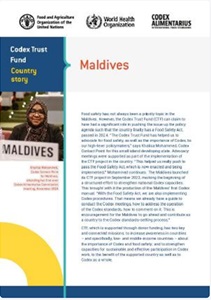
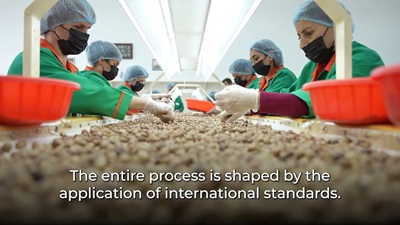
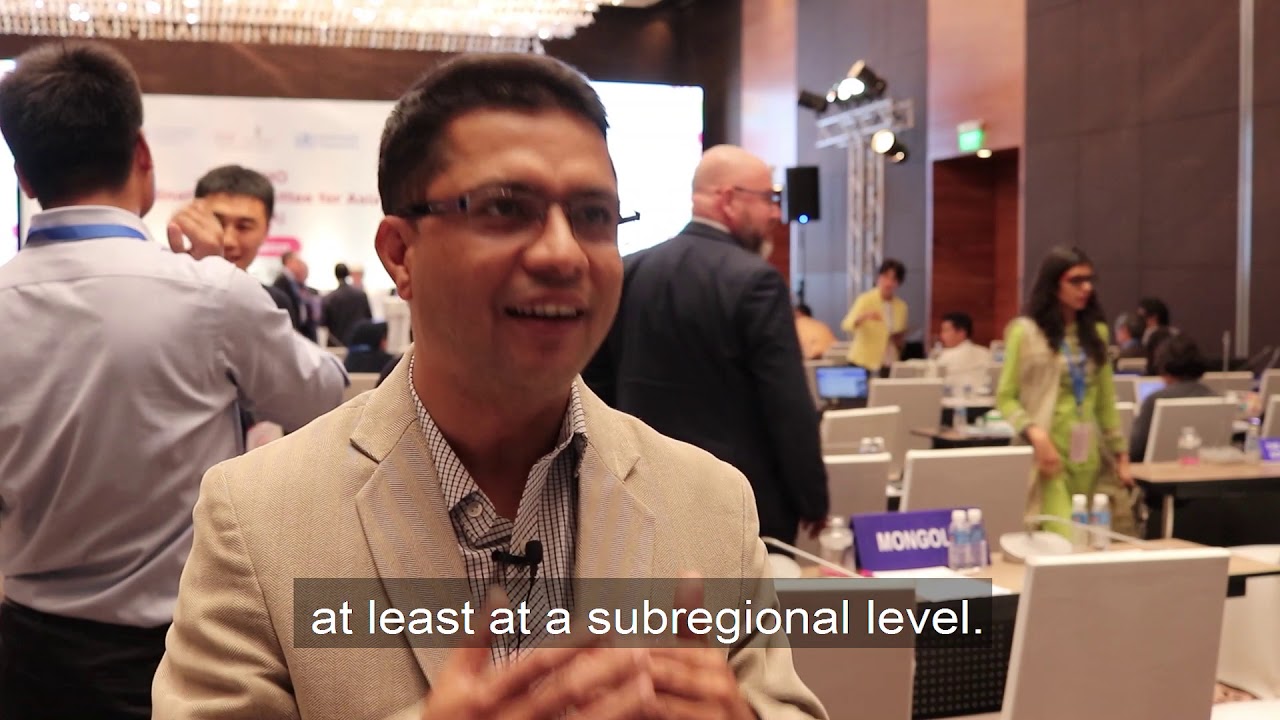
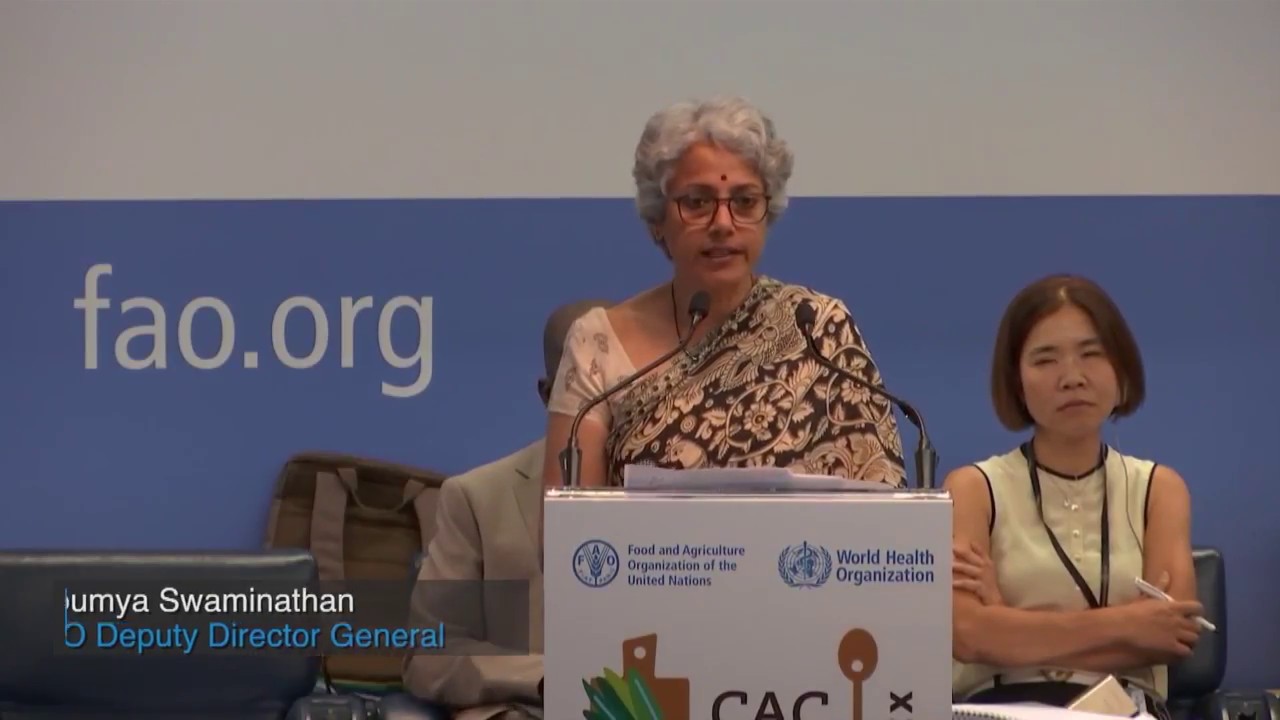
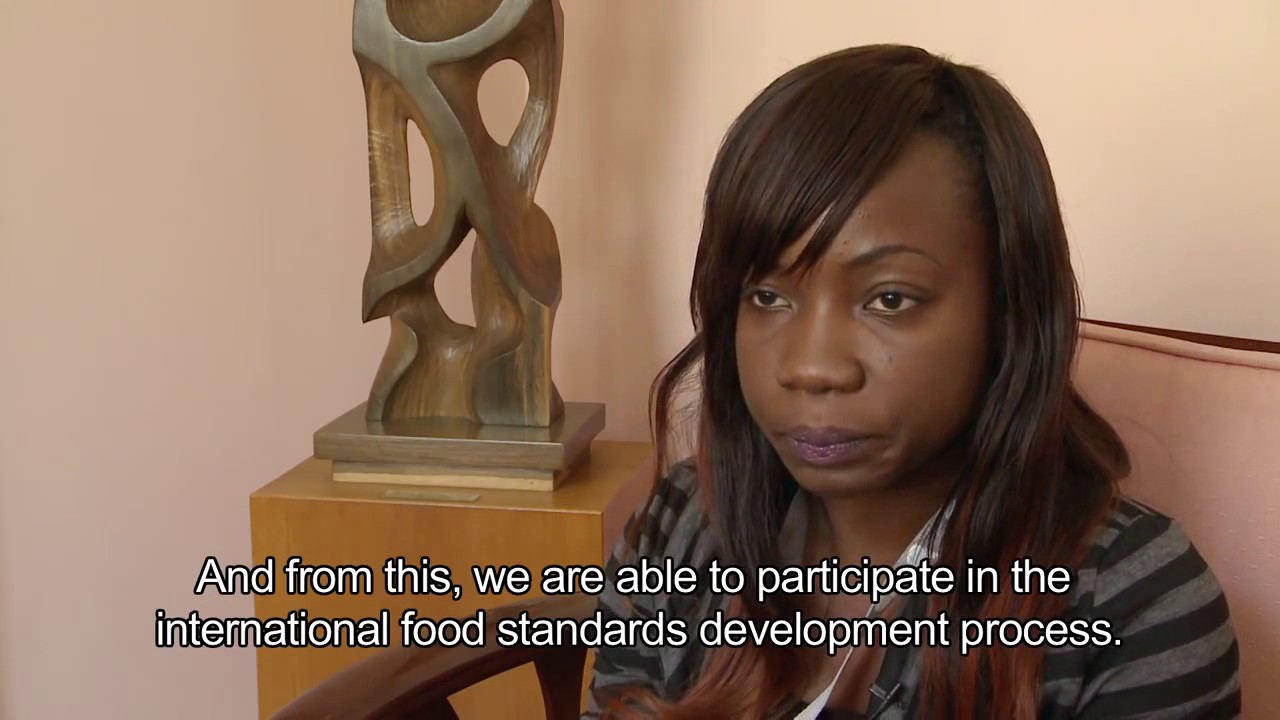
Codex Trust Fund, country story: Maldives
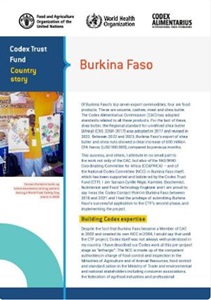
Codex Trust Fund, country story: Burkina Faso
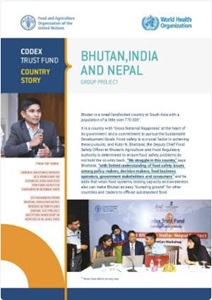
Codex Trust Fund country story: Bhutan, India & Nepal
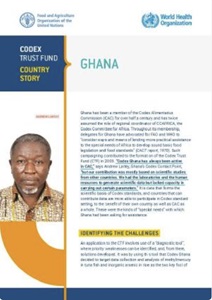
Codex Trust Fund, country story: Ghana
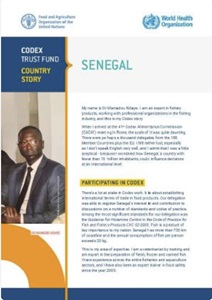
Codex Trust Fund, country story: Senegal
Publications
FAO/WHO Diagnostic tool for assessing status of national Codex programmes
Codex Trust Fund year in review – 2018
Codex and the Sustainable Development Goals
News about the Codex Trust Fund
CTF / Tanzania holds workshop on advocacy and dissemination of food safety policy briefs to high-level policymakers
The National Workshop on Advocacy and Dissemination of Food Safety Policy Briefs to high level policy and decision makers was held on 14 August 2025 in Dodoma, Tanzania, with support from the FAO/WHO Codex Trust Fund group project.
The workshop was opened by Ashura Katunzi, Director General of the Tanzania Bureau of Standards (TBS), and officially inaugurated by Suleiman Serere, Deputy Secretary of the Ministry of Industry and Trade.
The event brought together permanent secretaries and directors of policy and planning (DPPs) from the Ministries of Industry and Trade, Health, Agriculture, and Livestock and Fisheries. Senior officials from the TBS, along with country representatives from development partners, including FAO and WHO, were also in attendance—underscoring a shared commitment to advancing food safety in Tanzania.
During the high-level meeting, four policy briefs were adopted for implementation at national level, each providing strategic recommendations to address key food safety. These included
- Food safety and Codex situation in the East Africa Community (EAC) – A general perspective
- Food additives use in the EAC – Necessity, risks and need for mitigation
- Contaminants use in the EAC – Focus, impacts and mitigation
- Pesticides and veterinary drug residues in food in the EAC – A hazard to human health and trade.
The adopted policy briefs recommendations were aligned the implementation according to roles and mandates of the responsible ministries.
The discussions emphasized the urgent need to address unsafe food practices, which are a leading contributor to the country’s rising burden of foodborne illnesses and non-communicable diseases. Participants highlighted the importance of integrating good agricultural practices at the production level, supported by training and technical assistance for farmers, agricultural officers, and veterinary services.
A central theme of the workshop was the enforcement of food safety standards, particularly for imported goods and food additives. Authorities were urged to improve surveillance, testing, and risk assessment capacities. The Ministry of Health committed to enhancing data collection and sharing through systems such as the Integrated Disease Surveillance and Responseand the National Health Management Information System, in line with the One Health approach.
Delegates insisted that local government authorities should be equipped with rapid testing kits for pesticide residues, aflatoxins, and drug residues in milk, while traditional markets and exhibitions will be monitored for hygiene and food quality.
Key policy actions agreed upon include:
- Strengthening coordination through designated food safety focal points in each ministry
- Integrating food safety priorities into sectoral plans
- Annual recognition of World Food Safety Day as a national commitment milestone
- Broad dissemination of guidelines and responsibilities across all stakeholder levels.
The workshop concluded with a shared commitment to implement practical, cost-effective, and science-based measures that protect public health, enhance food quality, and support sustainable agricultural and economic development.
Read more
Photo © TBS
TBS Director-General, Ashura Katunzi, hands over policy briefs to the Ministry of Health
Leave a comment