


The Codex Trust Fund supports countries to build strong, solid and sustainable national capacity to participate effectively in Codex standard setting.
Between 2004 and 2015, the FAO/WHO Project and Fund for Enhanced Participation in Codex (Codex Trust Fund, CTF) supported countries to boost their participation in the Codex Alimentarius Commission.
Building on the success of the first Codex Trust Fund, FAO and WHO then launched a successor initiative to the Codex Trust Fund (CTF2) in January 2016, which aimed at improved effectiveness of participation in Codex standard setting.
CTF2 initiated a total of 43 projects involving 62 countries, which saw improved in-country capacities and policy-level awareness of Codex and Codex processes. This awareness translated into greater participation by low- and middle-income countries in the work of Codex committees, including in the development of work proposals, in developing and presenting national positions on standards development, and in submitting the data that is crucial to the development of standards that will work for all.
This also benefitted the wider Codex community, global trade and food safety standards for businesses and consumers around the world.
The Codex Trust Fund was fully reliant on donor funding.
The Codex Trust Fund repository
The CTF repository provides access to relevant resource material and products that have been officially shared by CTF2 beneficiary countries to serve as examples and inspiration to countries aiming to develop similar products to strengthen components of their national Codex system.
Documents included in the repository have been officially cleared by the respective governments to be shared on the Codex Trust Fund website. The repository organizes available products according to their relevance to the three core elements of national Codex systems.
Codex Trust Fund
.tmb-tmbmd-rec.jpeg?Culture=en&sfvrsn=ecd2f032_2)
.tmb-tmbmd-rec.jpeg?Culture=en&sfvrsn=18e33d46_2)


Stories
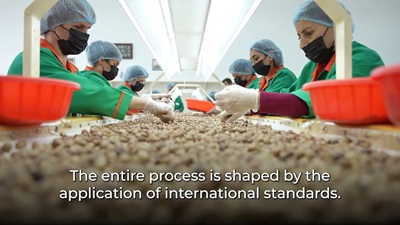
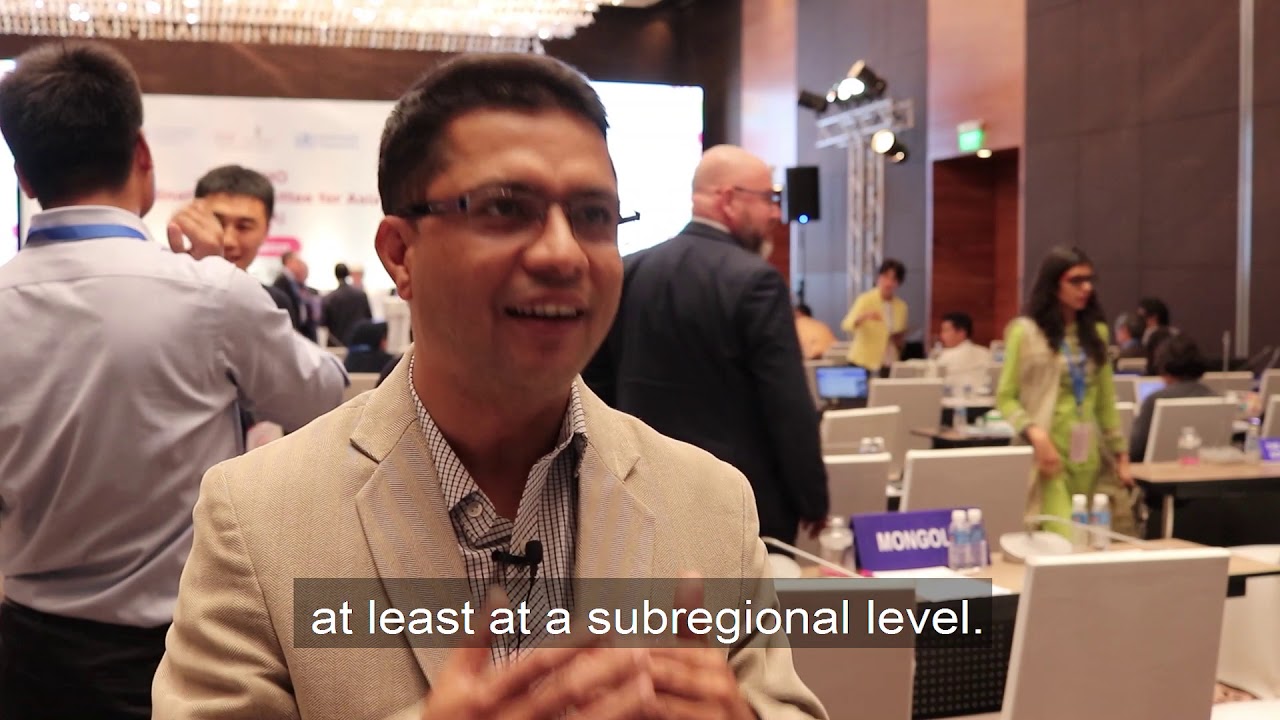
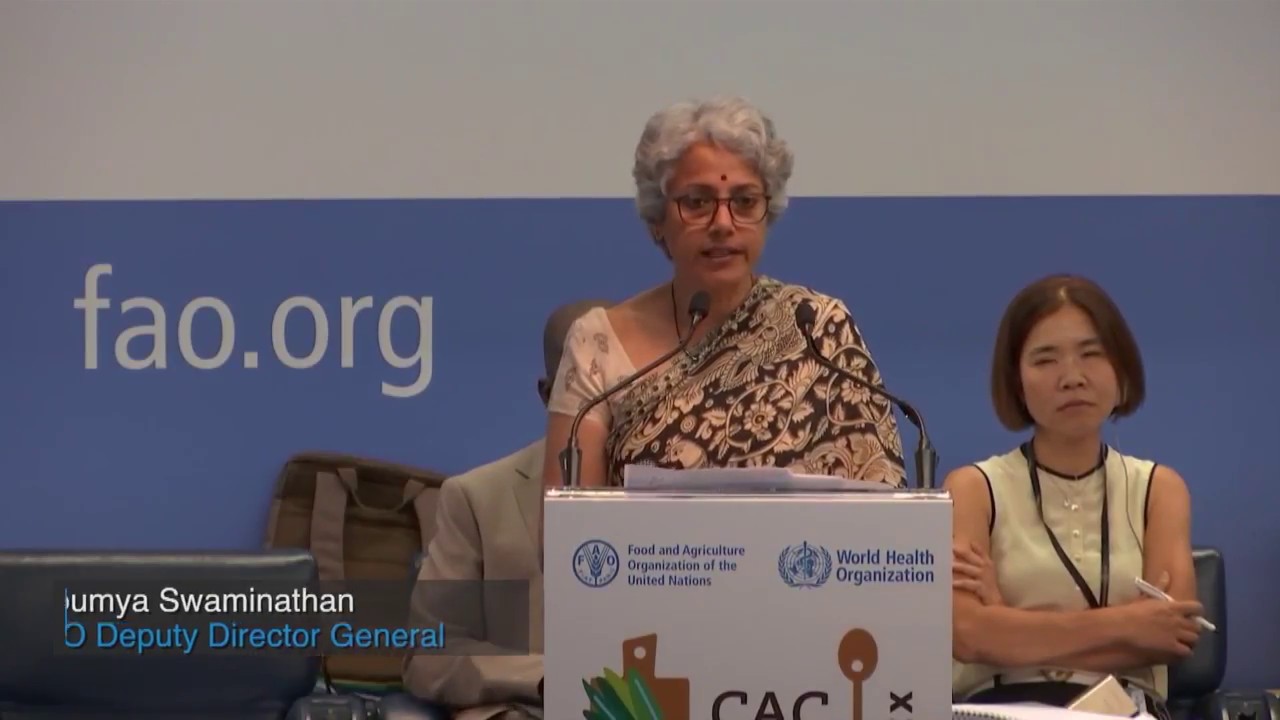
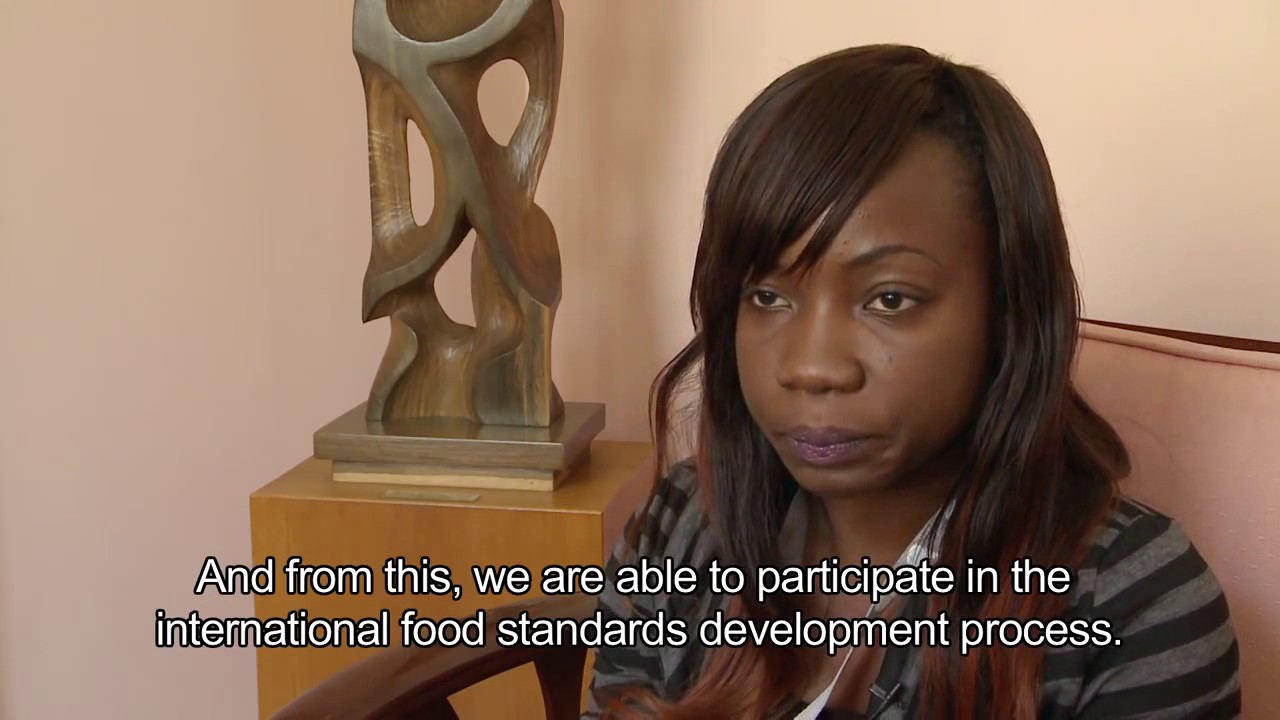
Codex Trust Fund, country story: Maldives
Codex Trust Fund, country story: Burkina Faso
Codex Trust Fund country story: Bhutan, India & Nepal
Codex Trust Fund, country story: Ghana
Codex Trust Fund, country story: Senegal
Publications
FAO/WHO Diagnostic tool for assessing status of national Codex programmes
Codex Trust Fund year in review – 2018
Codex and the Sustainable Development Goals
News about the Codex Trust Fund
CTF/ Zambian national stakeholders trained in Codex electronic working tools
Zambia, with support from the Codex Trust Fund and African Union Inter-African Bureau for Animal Resources (AU-IBAR), held a hands-on training 29-31 July 2025, in Livingstone, Zambia, to equip national key stakeholders and experts with practical knowledge and skills on Codex procedures and the use and application of electronic working tools.
The hybrid session was facilitated by Hakim Mufumbiro, the Coordinator of the FAO/WHO Coordinating Committee for Africa (CCAFRICA), John Oppong-Otoo, Food Safety Coordinator at AU-IBAR, Benoit Gnonlonfin from the Centre for Agriculture and Bioscience International (CABI International), Lusubilo Mwamakamba from WHO African Region, and Giuseppe DiChiera from the Codex Alimentarius Secretariat.
The trainees learnt about the Codex Alimentarius Commission, its standards-setting processes, approaches for effective stakeholder engagement, and the role and importance of science and risk analysis as applied within the Codex system. A significant emphasis was placed on using digital platforms such as the electronic working group (EWG) and online commenting system (OCS) through simulations and hands-on sessions.
The programme also covered regional Codex initiatives, national coordination, and performance evaluation in Codex participation. The stakeholders agreed to enhance engagement at the national level and collaboratively support efforts to enhance Zambia’s effective participation in Codex work throughout the standards development processes.
Read more
Leave a comment