


The Codex Trust Fund supports countries to build strong, solid and sustainable national capacity to participate effectively in Codex standard setting.
Between 2004 and 2015, the FAO/WHO Project and Fund for Enhanced Participation in Codex (Codex Trust Fund, CTF) supported countries to boost their participation in the Codex Alimentarius Commission.
Building on the success of the first Codex Trust Fund, FAO and WHO then launched a successor initiative to the Codex Trust Fund (CTF2) in January 2016, which aimed at improved effectiveness of participation in Codex standard setting.
CTF2 initiated a total of 43 projects involving 62 countries, which saw improved in-country capacities and policy-level awareness of Codex and Codex processes. This awareness translated into greater participation by low- and middle-income countries in the work of Codex committees, including in the development of work proposals, in developing and presenting national positions on standards development, and in submitting the data that is crucial to the development of standards that will work for all.
This also benefitted the wider Codex community, global trade and food safety standards for businesses and consumers around the world.
The Codex Trust Fund was fully reliant on donor funding.
The Codex Trust Fund repository
The CTF repository provides access to relevant resource material and products that have been officially shared by CTF2 beneficiary countries to serve as examples and inspiration to countries aiming to develop similar products to strengthen components of their national Codex system.
Documents included in the repository have been officially cleared by the respective governments to be shared on the Codex Trust Fund website. The repository organizes available products according to their relevance to the three core elements of national Codex systems.
Codex Trust Fund
.tmb-tmbmd-rec.jpeg?Culture=en&sfvrsn=ecd2f032_2)
.tmb-tmbmd-rec.jpeg?Culture=en&sfvrsn=18e33d46_2)


Stories
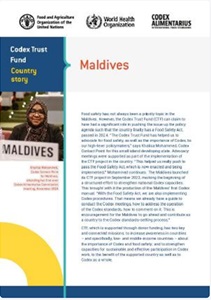
Codex Trust Fund, country story: Maldives
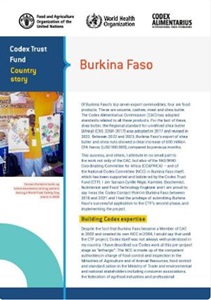
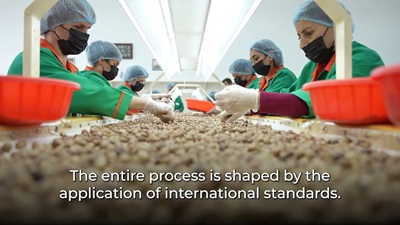
Codex Trust Fund, country story: Burkina Faso
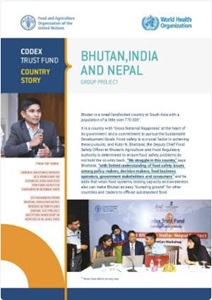
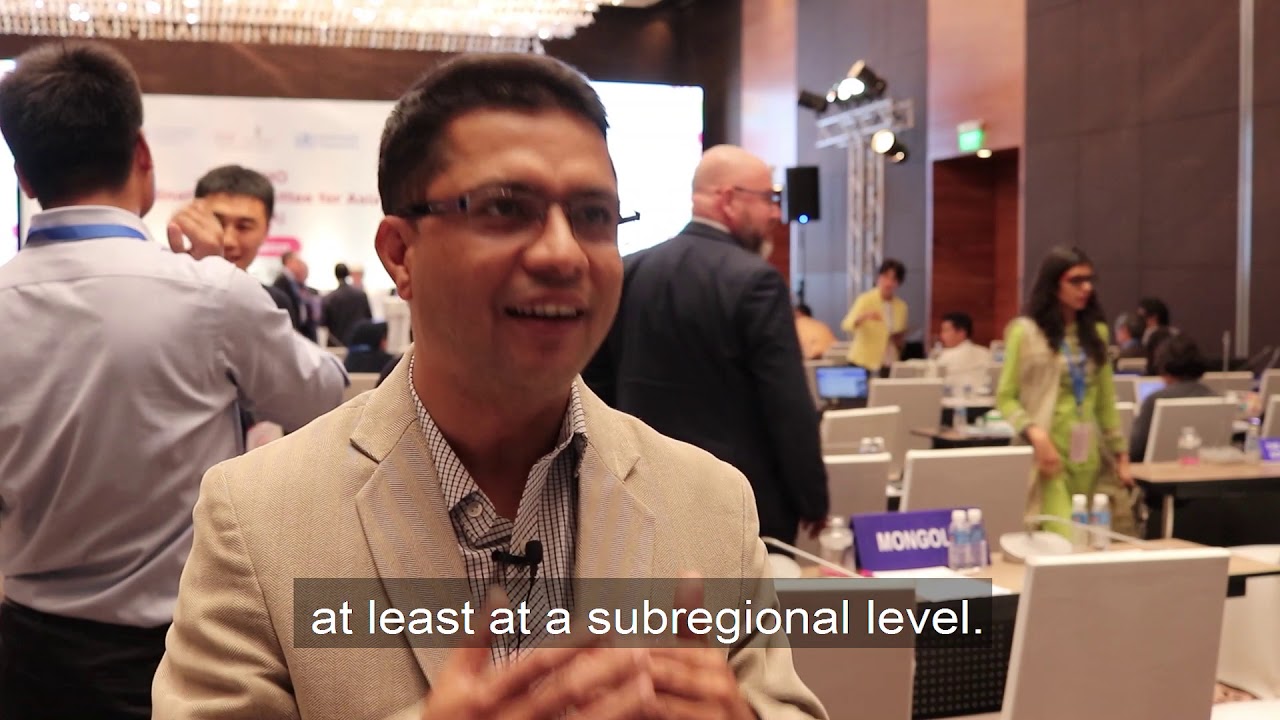
Codex Trust Fund country story: Bhutan, India & Nepal
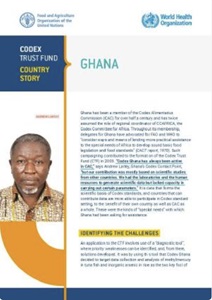
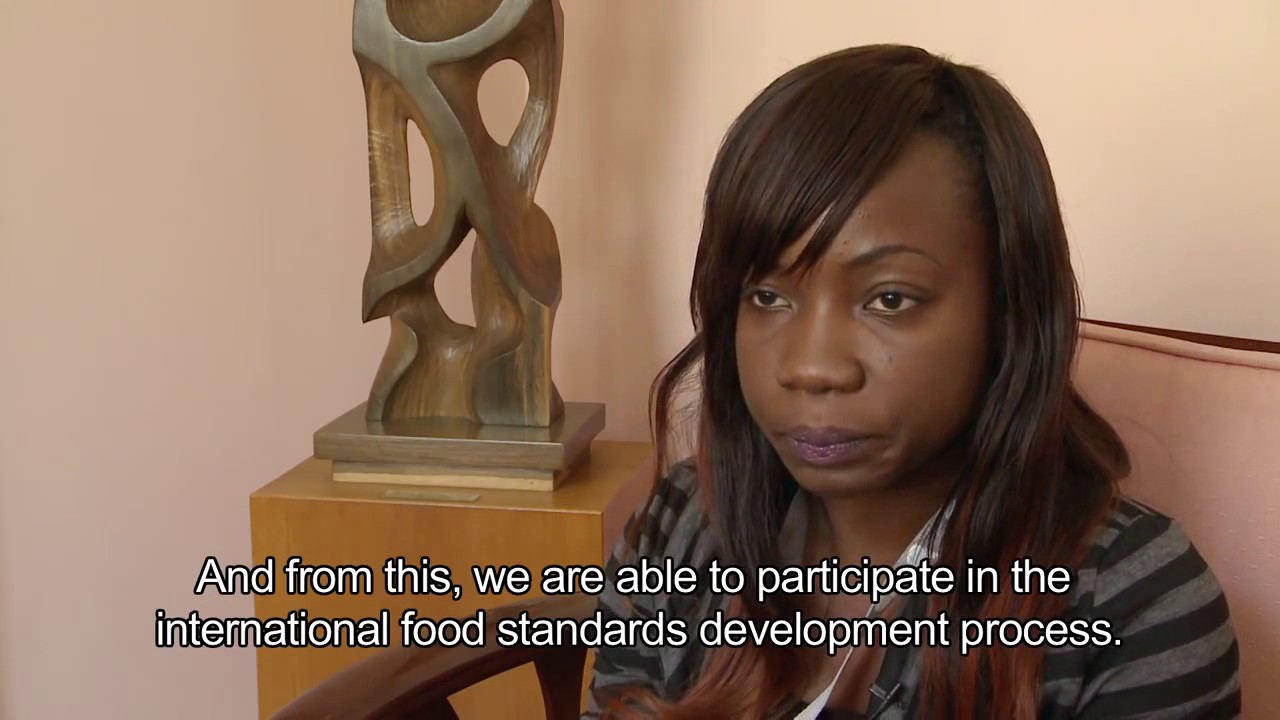
Codex Trust Fund, country story: Ghana
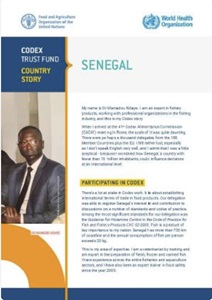
Codex Trust Fund, country story: Senegal
Publications
FAO/WHO Diagnostic tool for assessing status of national Codex programmes
Codex Trust Fund year in review – 2018
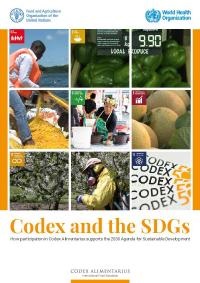
Codex and the Sustainable Development Goals
News about the Codex Trust Fund
CTF/ Nationwide seminars in Kazakhstan spread awareness on a range of issues
As part of the FAO/WHO Codex Trust Fund project, the Kazakhstan Codex Alimentarius Group conducted field workshops under the theme of “Priority food safety issues” in eight regions of the country.
In general, the seminars were held with the participation of specialists from the sanitary and epidemiological control of the Ministry of Health, the Committee for Veterinary Control and Surveillance of the Ministry of Agriculture, branches of the National Center of Expertise, the National Chamber of Food Producers, “Atameken”, scientists, teachers of specialized universities of the 17 regions and three cities of republican status. The total number of participants was 436 persons.
Among the topics presented, particular interest was generated by the One Health approach, foodborne antimicrobial resistance (AMR), Codex standards, the work of specialized committees of the Codex Alimentarius Commission, the introduction of the Hazard Analysis and Critical Control Points system (HACCP), current aspects in the field of pesticide use, artificial food colours, veterinary drugs and new food sources.
At the end of the seminars, the national Codex team conducted a survey among the participants in order to identify the effectiveness of the seminar, the benefits of the topics presented, and the need to hold similar seminars in the future. The seminar participants expressed unanimous recognition and a wish to hold similar seminars in the future.
The national Codex Alimentarius team expressed gratitude to the Secretariat of the Codex Trust Fund, the Regional Offices of FAO and WHO, the WHO Country Office for financial and technical support, as well as the regional departments, branches of the National Center of Expertise of the Committee for Sanitary and Epidemiological Control of the Ministry of Health of the Republic of Kazakhstan in the cities of Astana, Almaty, Aktobe, Kostanay, Oral, Oskemen, Pavlodar and Shymkent.
Read more
Photo © Codex Kazakhstan
Leave a comment